Token Unlocks Dashboard
The best token unlock schedules & deep tokenomics data for professionals at your fingertips.


Recently Added


Project Name | Upcoming Value | Price | 24h % | Reported MCap | Released Percentage | Next 7D Emission | |
|---|---|---|---|---|---|---|---|
Rows per page
Frequently asked Questions
Last updated
What is Token Unlock?
Token unlock is an event where previously locked tokens are released into circulation based on a predetermined schedule. This token release increases the available supply and may influence market behavior. Unlock events typically follow cliff or linear vesting structures and are closely tracked due to their potential impact on token price and liquidity.
What is the meaning of Tokenomics?
Tokenomics refers to the economic model governing a cryptocurrency. It includes token creation, distribution strategy, supply control, inflation rate, token utility, and incentives. Good tokenomics ensures sustainable value, defines monetary policy, and impacts how tokens circulate, are used, and retained in a blockchain ecosystem.
What is vesting in crypto?
Vesting in crypto is a time-based process that gradually releases tokens to recipients like team members or investors. A token release schedule, often using cliff or linear vesting, controls the pace of distribution to avoid flooding the market. Crypto vesting aligns stakeholders with long-term goals and stabilizes token price over time.
What is an allocation?
Token allocation is how a cryptocurrency project divides its total token supply among stakeholders such as the founding team, investors, community, reserves, and the ecosystem. Each allocation follows a distribution model and strategy that supports token stability, project growth, and equitable ownership.
What is vesting in Tokenomics?
In tokenomics, vesting is a structured release mechanism that governs when and how allocated tokens become available. Common vesting structures include cliffs (one-time release) and linear schedules (gradual unlock). It prevents rapid sell-offs, manages circulating supply, and sustains long-term project development.
Is token unlock bullish or bearish?
A token unlocks can be bullish or bearish depending on context. A large unlock may create selling pressure and be bearish. However, if tokens go to long-term partners or for ecosystem use, it could be bullish. These events are considered liquidity events and should be evaluated in relation to tokenomics, market timing, and project strategy.
What is a vesting schedule for tokens?
A vesting schedule outlines how tokens are released over time. There are typically two types: cliff vesting (all at once after a period) and linear vesting (gradual release). The schedule defines vesting periods and unlock mechanisms to ensure controlled and predictable token distribution, aligning incentives.
Why is token lock-up necessary?
Token lock-ups serve as anti-dump strategies to prevent early investors or team members from selling large volumes immediately. This creates market protection, ensures price stability, and builds investor trust. Lock-ups are key to phased distribution, aligned incentives, and managing circulating supply responsibly.
What happens when a token is locked?
Token lock-ups serve as anti-dump strategies to prevent early investors or team members from selling large volumes immediately. This creates market protection, ensures price stability, and builds investor trust. Lock-ups are key to phased distribution, aligned incentives, and managing circulating supply responsibly.
What happens after token unlocks?
After a token unlocks, it becomes part of the circulating supply and can be traded or transferred. This increases token mobility and liquidity. However, not all unlocked tokens are immediately sold—holder decisions and market context influence actual supply impact and potential price movement.
Tokenomist API
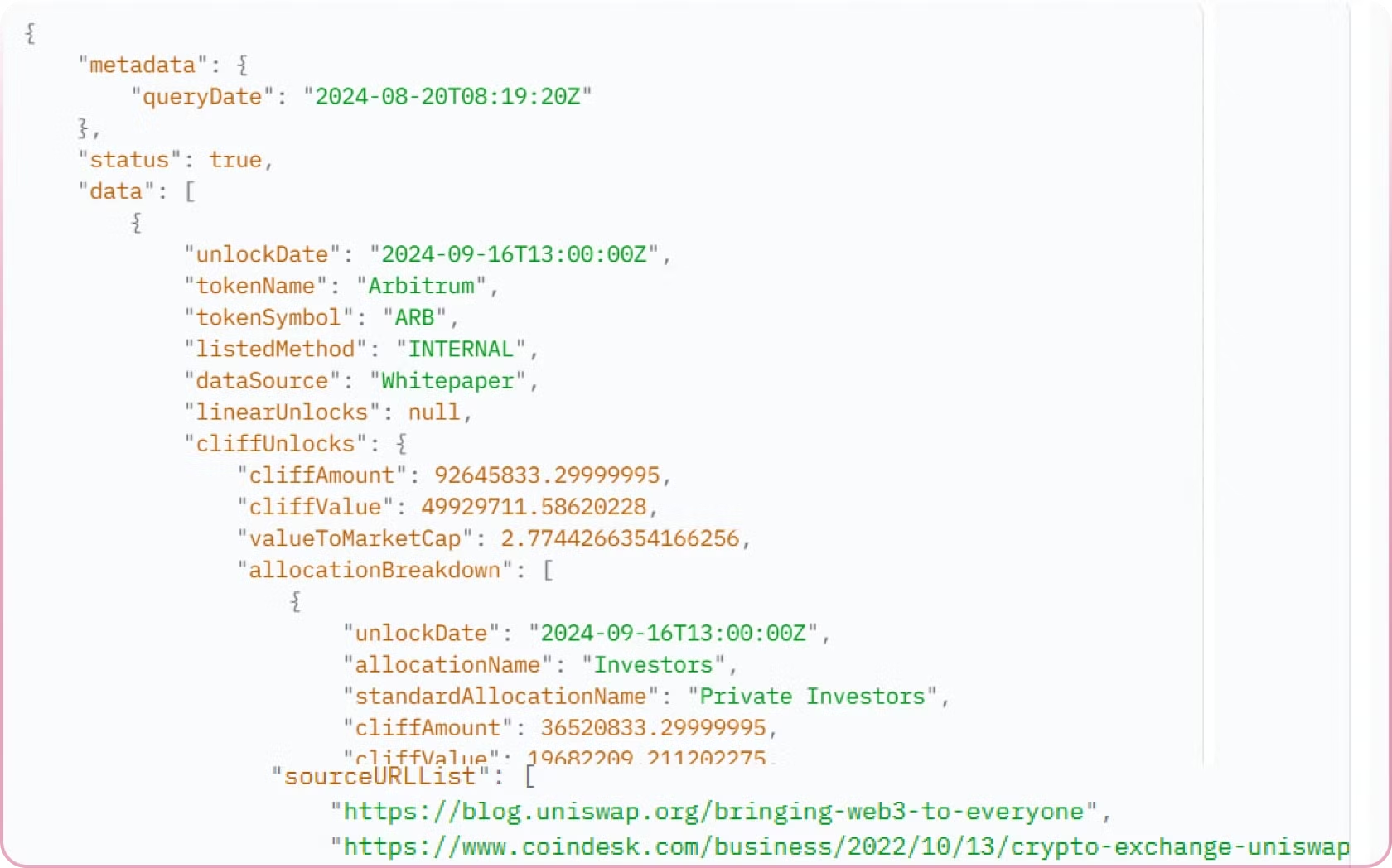
Scheduled Unlock Data
A timestamp of Cliff unlocks with allocation breakdown. Continuous release mechanisms such as mining rewards, staking emissions, or yield farming are deliberately excluded here.
Tracked Value
10 Years+
Tokenomics Data
1,500+
Tracked On chain, Off chain Sources
Tokenomist Tokenomics Data API
Trusted by professional investors worldwide for accurate, comprehensive tokenomics data
powering smarter investment decisions with real-time unlock schedules, vesting analytics, and allocation insights
powering smarter investment decisions with real-time unlock schedules, vesting analytics, and allocation insights
Trusted by financial firms










Tokenomist Research
Explore morePress & Mentions
See all press & mentions
Tokenomist.ai provides a complete solution for supply-side tokenomics data. Analyze future token emissions, track vesting schedules, and compare standardized tokenomics and allocation across projects to gain actionable insights